
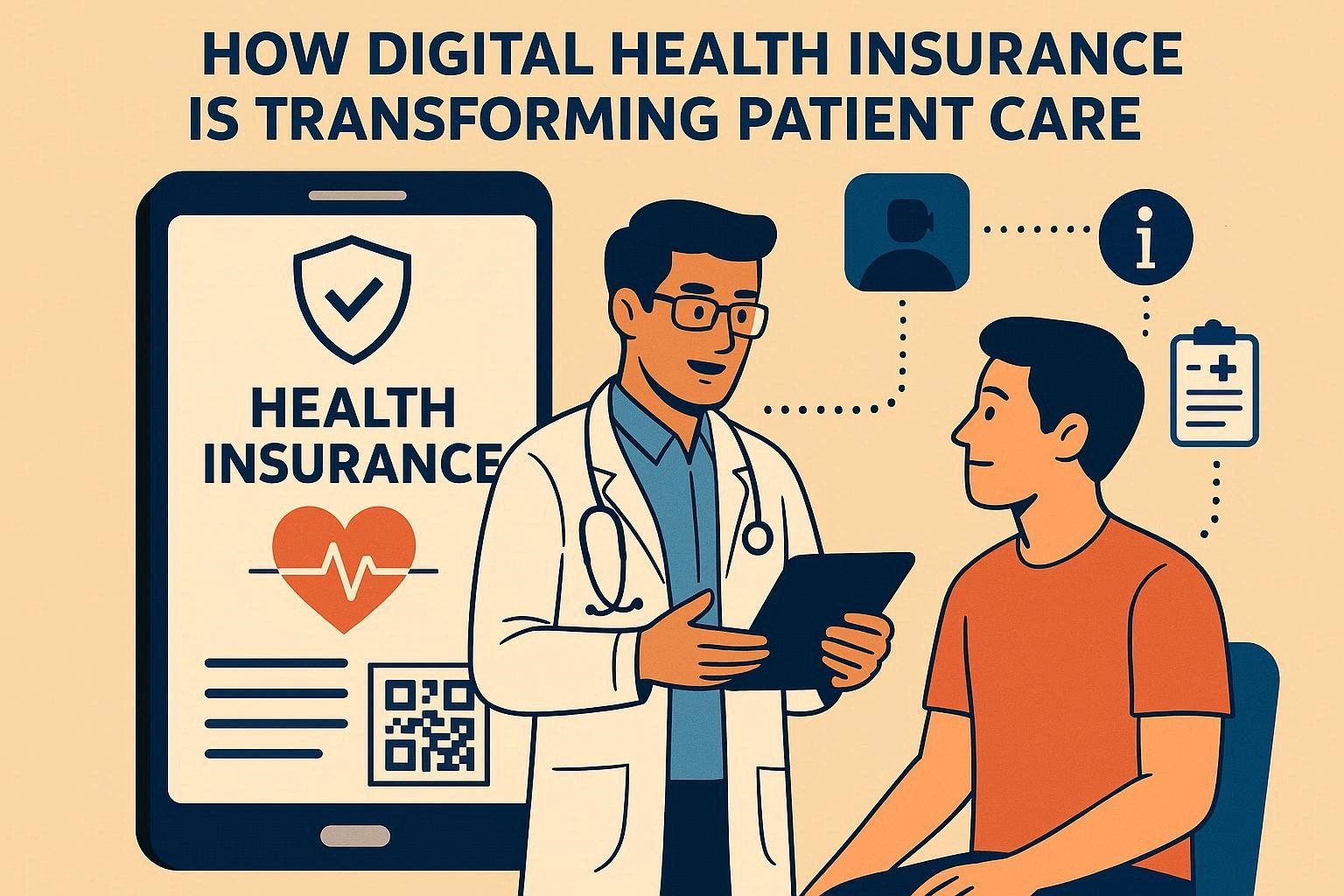
Health insurance is undergoing a major digital transformation, driven by advances in artificial intelligence (AI), wearable technology, big data, and telemedicine. Traditional health insurance models, often characterized by slow claim processes, high premiums, and limited personalization, are evolving into smarter, more accessible, and patient-centric systems. Today’s digital health insurance solutions offer real-time monitoring, instant claims, personalized premiums, preventive care, and seamless integration with digital hospitals.
This article explores how digital health insurance is enhancing patient care and improving efficiency in the healthcare ecosystem.
The Shift Toward Digital Health Insurance
The adoption of digital platforms has made health insurance more accessible, transparent, and user-friendly. Customers can now compare plans, calculate premiums, submit claims, and track their healthcare benefits directly through mobile apps and online portals.
Key features of digital health insurance include:
- Online policy comparison and instant premium calculation.
- AI-powered fraud detection and automated approvals.
- Telemedicine integration for remote doctor consultations.
- Digital claims submissions with real-time tracking.
- Personalized insurance plans based on health data and lifestyle.
The Role of AI in Health Insurance
Artificial Intelligence plays a critical role in transforming health insurance by analyzing vast datasets, predicting risks, and personalizing coverage. AI-powered underwriting allows insurers to tailor premiums based on an individual’s health habits, lifestyle, and medical history.
AI applications in health insurance include:
- Predictive Risk Modeling: Detecting potential future health risks before they occur.
- Automated Claims Processing: Speeding up reimbursement and reducing fraud.
- Virtual Health Assistants: Offering personalized medical advice and policy support to customers.
- Personalized Premiums: Adjusting pricing based on data from wearable devices.
Telemedicine Integration
Telemedicine is one of the most impactful innovations, allowing policyholders to consult doctors online without visiting a clinic. Many modern health insurance plans now cover video consultations, digital prescriptions, and at-home diagnostics.
Benefits of telemedicine in health insurance:
- Faster access to medical care, especially in remote areas.
- Reduced hospitalization and emergency visits.
- Improved preventive care and early diagnosis.
- Better patient engagement and long-term treatment adherence.
Wearable Technology and Real-Time Monitoring
Wearable health devices like smartwatches and fitness trackers collect real-time data on heart rate, physical activity, sleep patterns, and stress levels. Health insurers can use this data to assess risk levels more accurately and encourage healthier lifestyles through reward-based insurance models.
Examples of wearable-driven insurance features:
- Discounted premiums for active and healthy individuals.
- Points and rewards for meeting fitness goals.
- Continuous health monitoring for chronic disease management.
- Early detection of health conditions through data analytics.
Blockchain for Security and Transparency
Blockchain technology is making insurance transactions more secure, transparent, and efficient. Data stored on blockchain cannot be altered, which helps prevent fraud, ensures data accuracy, and enables faster claim settlements through smart contracts.
Benefits of blockchain in health insurance:
- Secure digital identity verification.
- Automated claims processing using smart contracts.
- Enhanced privacy and secure data sharing between hospitals and insurers.
- Real-time audit trails for transparency.
Personalized Health Insurance Plans
Traditional health insurance often applied the same pricing strategy to all customers. Today, insurers are adopting personalized plans based on lifestyle, health habits, family medical history, and risk profile.
Types of personalized health insurance:
- Fitness-based premium discounts.
- Chronic disease management plans.
- Customized senior health care packages.
- Family and maternity-focused insurance coverage.
Preventive Healthcare and Wellness Programs
The future of health insurance lies in prevention rather than cure. Insurers are now encouraging policyholders to maintain good health through fitness programs, diet plans, mental wellness programs, and regular health screenings.
Insurance-backed wellness programs can include:
- Discounts for gym memberships and yoga classes.
- Health monitoring apps linked to insurance rewards.
- Regular medical checkups and consultations.
- Mental health support and therapy access.
Challenges and Ethical Considerations
While digital health insurance offers remarkable advantages, it also presents challenges related to data privacy, regulatory compliance, and digital access.
Major challenges include:
- Data privacy and potential misuse of personal health information.
- Digital divide limiting access for senior citizens and rural populations.
- Regulatory complexities in digital claim settlement.
- Ethical concerns over AI-driven health risk evaluations.
The Future of Digital Health Insurance
Looking ahead, health insurance will evolve into a fully digital, preventive, and intelligent ecosystem. With the integration of AI, IoT, blockchain, digital hospitals, and personalized care, insurance will focus on keeping people healthy rather than simply paying for medical expenses.
Upcoming innovations may include:
- Metaverse-based telehealth consultations.
- AI-driven digital insurance advisors.
- Smart contracts for instant hospital payments.
- DNA-based predictive health insurance plans.
- Global digital health ID for cross-border insurance coverage.
Digital transformation is not just enhancing health insurance—it is redefining it. By combining AI, IoT, telemedicine, and blockchain, insurers are creating smarter and more customer-centric solutions. The focus is shifting from reactive reimbursement to proactive health management, making insurance more personalized, accessible, and impactful.
In the future, digital health insurance will play an essential role in creating healthier societies, reducing healthcare costs, and improving quality of life.